
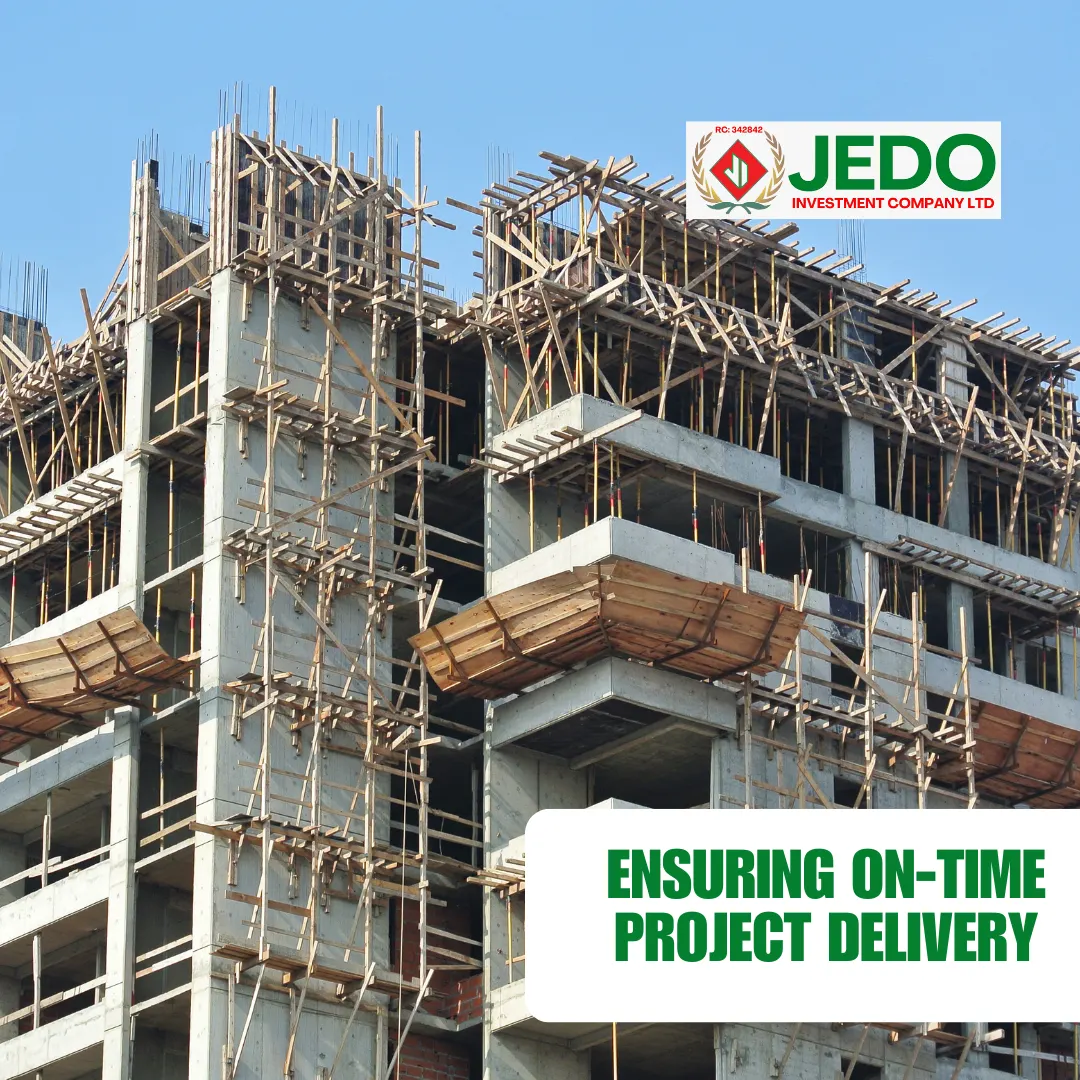
Estate development is a complex, capital-intensive undertaking that requires precision planning, financial discipline, regulatory compliance, and operational coordination. From land acquisition and design to construction, infrastructure integration, and final handover, every phase demands professional oversight and structured execution. The difference between a profitable development and a distressed project often lies in systems, leadership, and risk control. At the core of our methodology is ensuring on-time project delivery, because time overruns directly translate to cost escalations, strained investor confidence, and missed market opportunities. This article outlines the structured framework we use to consistently deliver estate projects on schedule and within approved budgets.
Strategic Pre-Development Planning
The foundation of ensuring on-time project delivery is built long before construction begins. We start with rigorous feasibility studies, demand analysis, and financial modeling to validate project viability. This stage includes:
- Comprehensive site due diligence
- Regulatory and environmental assessments
- Infrastructure availability evaluation
- Detailed cost forecasting and scenario planning
We deploy professional project management frameworks such as PRINCE2 and PMI methodologies to establish scope clarity, define deliverables, and prevent scope creep. A clearly defined Work Breakdown Structure (WBS) is created, breaking the estate project into measurable, trackable components.
During this phase, we also develop contingency plans and risk registers. Anticipating delays related to permits, logistics, weather, or supply chain fluctuations significantly reduces surprises during execution.
Accurate Budgeting and Cost Control Systems
Financial discipline is central to ensuring on-time project delivery because budget overruns often trigger work stoppages or redesigns. We adopt a zero-based budgeting model combined with cost benchmarking against comparable developments.
Our cost control measures include:
- Detailed Bill of Quantities (BoQ) validation
- Independent cost consultancy reviews
- Structured procurement planning
- Fixed-price or guaranteed maximum price contracts where applicable
Real-time financial tracking tools allow us to monitor expenditures against projections weekly rather than monthly. Variance analysis is conducted continuously, enabling early corrective action before minor deviations escalate into financial crises.
Value engineering is also embedded in the process. Instead of cutting quality, we optimize design efficiency and material selection to maintain durability while controlling costs.
Integrated Project Scheduling and Milestone Tracking
A well-structured timeline is critical for ensuring on-time project delivery in estate developments that involve multiple contractors, consultants, and suppliers. We develop a master schedule using critical path methodology (CPM) to identify activities that directly impact completion dates.
Key scheduling practices include:
- Clearly defined milestone benchmarks
- Weekly progress reviews
- Buffer allocation for high-risk activities
- Strict change management protocols
We align procurement schedules with construction timelines to eliminate material shortages. Furthermore, contractor performance is tied to milestone achievements through incentive-based agreements, encouraging accountability and productivity.
When deviations occur, we implement recovery plans immediately, including resource reallocation or schedule compression techniques.
Strong Governance and Stakeholder Coordination
Estate developments involve investors, regulators, contractors, consultants, utility providers, and future homeowners. Without structured communication, projects stall. Ensuring on-time project delivery requires governance frameworks that define roles, authority levels, and reporting structures.
We implement:
- Weekly coordination meetings
- Transparent reporting dashboards
- Escalation pathways for decision-making
- Centralized documentation management systems
Clear communication minimizes misunderstandings and reduces rework. Every stakeholder understands deliverables, timelines, and responsibilities, which significantly lowers friction during execution.
Regulatory engagement is proactive rather than reactive. By maintaining consistent communication with planning authorities, we avoid permit delays that typically derail development timelines.
Technology and AI-Driven Project Oversight
Can artificial intelligence predict construction delays before they happen? Increasingly, the answer is yes. Technology plays a transformative role in ensuring on-time project delivery by enabling data-driven decision-making.
We utilize:
- AI-powered project analytics tools
- Building Information Modeling (BIM) for clash detection
- Real-time progress monitoring dashboards
- Predictive risk assessment systems
AI algorithms analyze historical data, supplier performance metrics, weather patterns, and labor productivity trends to forecast potential delays. This predictive capability allows proactive adjustments rather than reactive crisis management.
Digital twins and BIM coordination reduce design conflicts, preventing costly on-site modifications. By integrating AI into project management workflows, we enhance precision, transparency, and speed.
Procurement Excellence and Supply Chain Stability
Material shortages and vendor inefficiencies are common causes of delays. Ensuring on-time project delivery requires strategic supplier selection and structured procurement planning.
Our procurement approach includes:
- Prequalification of vendors
- Long-term supplier agreements
- Early bulk purchasing of critical materials
- Diversified supplier networks to reduce dependency risk
We assess supplier financial stability and performance history before engagement. Contracts include delivery benchmarks and penalties for non-compliance, reinforcing accountability.
Inventory tracking systems also prevent over-ordering or shortages. By aligning supply chain logistics with the project schedule, we eliminate bottlenecks that could stall construction activities.
Skilled Workforce and Performance Management
Even the most sophisticated plan fails without competent execution. Ensuring on-time project delivery depends heavily on skilled labor and effective supervision.
We prioritize:
- Contractor competency verification
- Performance-based contracts
- On-site quality control teams
- Continuous safety management systems
Productivity tracking tools measure daily output against expected performance benchmarks. If productivity declines, we intervene immediately through additional supervision, retraining, or resource reinforcement.
Safety management is integrated into timelines because accidents cause delays. By maintaining high safety standards, we protect both workers and schedules.
Risk Management and Contingency Planning
Every estate development carries inherent risks, economic shifts, regulatory changes, material inflation, and unforeseen technical challenges. Ensuring on-time project delivery requires a dynamic risk management framework.
We maintain:
- A live risk register
- Probability-impact assessments
- Financial contingency reserves
- Adaptive mitigation strategies
Scenario planning enables us to respond quickly to unexpected developments. Instead of reacting emotionally to setbacks, we implement predefined corrective measures aligned with strategic objectives.
This structured approach transforms uncertainty into manageable variables rather than disruptive shocks.
Quality Assurance Without Compromising Timelines
Some developers mistakenly believe speed compromises quality. In reality, structured quality assurance enhances ensuring on-time project delivery because rework is one of the most expensive causes of delay.
Our quality management process includes:
- Stage-by-stage inspections
- Independent quality audits
- Material compliance testing
- Documentation control systems
By identifying issues early, we prevent costly demolition and reconstruction cycles. Quality control is embedded within workflows rather than treated as a final-stage activity.
Delivering a high-quality estate on schedule strengthens brand credibility and investor trust.
Conclusion
Estate development success is never accidental; it is the outcome of disciplined planning, financial oversight, technological integration, skilled execution, and proactive risk management. From feasibility to final handover, each phase must align with structured systems that protect timelines and budgets. Through strategic governance, advanced technology adoption, and operational excellence, we consistently achieve ensuring on-time project delivery while maintaining quality and financial integrity.
If you are planning a residential, commercial, or mixed-use estate development and require a partner that prioritizes structure, accountability, and results, reach out to Jedo. Their expertise and commitment to excellence will position your project for timely completion, controlled costs, and long-term value creation.
